The Importance of Holistic Development in School Education
posted on Oct 26, 2026
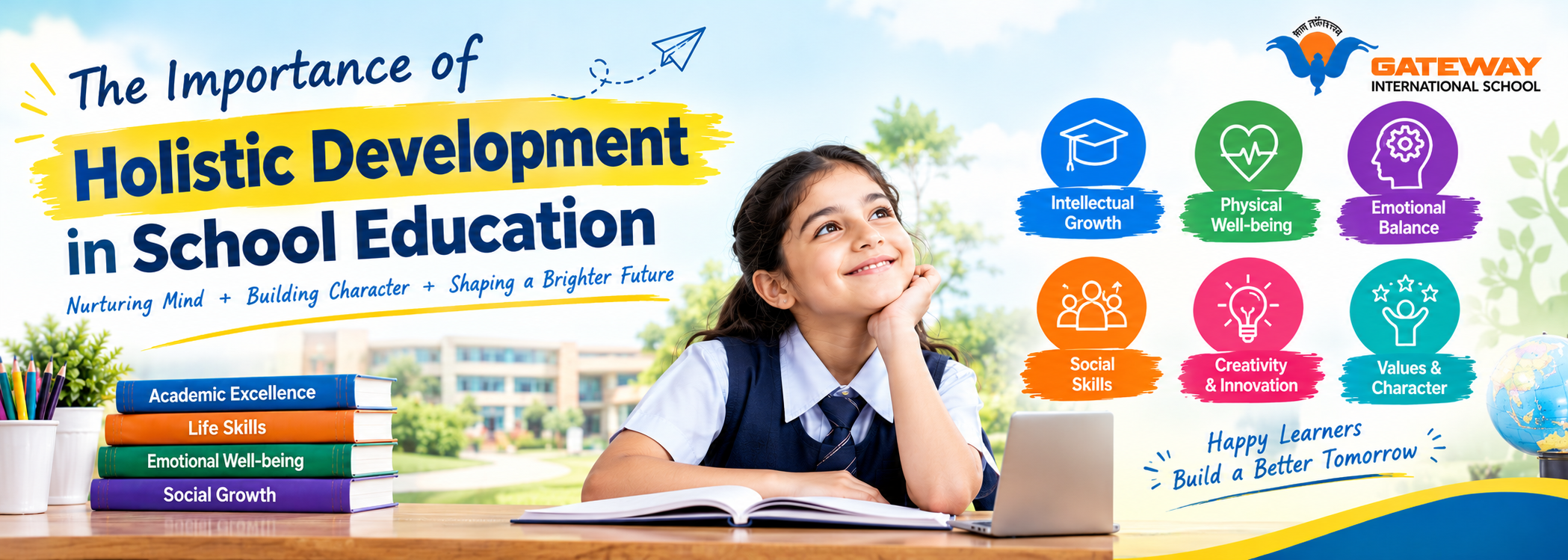
Education plays a vital role in shaping a child's future. However, true education goes beyond textbooks, examinations, and academic results. It focuses on developing a child's intellectual abilities, emotional intelligence, physical fitness, social skills, and moral values. This is where Holistic Development becomes an essential part of modern School Education.
In today's rapidly changing world, children need more than academic knowledge to succeed. They need confidence, creativity, communication skills, critical thinking, and the ability to work collaboratively. A balanced educational environment helps students discover their strengths, overcome challenges, and develop into responsible individuals.
For parents exploring educational opportunities in Sonipat, understanding the importance of holistic development can help them choose a school that supports their child's overall growth. Gateway International School Sonipat is a relevant option for families researching school education and student development in the region.
What Is Holistic Development in School Education?
Holistic development refers to the overall growth of a child across multiple areas of life. Instead of focusing exclusively on academic performance, it emphasizes the development of the mind, body, emotions, social abilities, and ethical values.
A holistic approach to School Education encourages students to participate in academic activities, sports, creative pursuits, group projects, and opportunities for personal growth.
The primary areas of holistic development include:
- Intellectual development: Building knowledge, logical reasoning, curiosity, and problem-solving abilities.
- Physical development: Encouraging fitness, coordination, sportsmanship, and healthy habits.
- Emotional development: Helping students understand their emotions, manage stress, and build self-confidence.
- Social development: Developing teamwork, communication, empathy, and respect for others.
- Moral development: Encouraging honesty, responsibility, discipline, and ethical decision-making.
- Creative development: Providing opportunities for imagination, artistic expression, innovation, and independent thinking.
When these areas receive appropriate attention, students can develop a more balanced personality and prepare for challenges beyond the classroom.
1. Balancing Academic Excellence with Life Skills
Academic achievement is an important part of education, but it is only one aspect of a student's development. Children also need practical life skills that help them make decisions, solve problems, and adapt to new situations.
A well-rounded approach to School Education combines classroom learning with activities that encourage independent thinking, communication, and collaboration.
For example, group assignments help students share ideas and work toward common goals, while classroom presentations strengthen communication and confidence. Practical projects encourage learners to apply theoretical knowledge to real-life situations.
By balancing academic learning with essential life skills, schools can help students become capable, independent, and adaptable individuals.
2. Supporting Emotional Intelligence and Confidence
Emotional well-being plays a significant role in a child's learning experience. Students who can recognize and manage their emotions are often better equipped to handle academic pressure, build relationships, and respond constructively to challenges.
Holistic Development encourages children to express themselves, understand different perspectives, and develop resilience.
Teachers can support emotional growth by creating a positive classroom environment where students feel respected, comfortable asking questions, and encouraged to learn from mistakes.
Activities such as group discussions, collaborative projects, creative expression, and age-appropriate reflection can also help children develop self-awareness and empathy.
These experiences contribute to a healthier learning environment and support students as they grow academically and personally.
3. Encouraging Physical Fitness and Healthy Habits
Physical development is another essential component of a well-rounded education. Regular physical activity supports fitness, coordination, concentration, and overall well-being.
Sports, yoga, exercise, and outdoor activities can teach students valuable lessons about discipline, teamwork, perseverance, and respect for others.
Participation in sports also helps children understand the importance of fair play and handling both success and disappointment positively.
Schools can encourage healthy habits by promoting physical activity, balanced routines, personal hygiene, and awareness of overall wellness. These habits help students understand that maintaining good health is an important part of lifelong development.
4. Developing Creativity and Critical Thinking
The ability to think creatively and evaluate information is increasingly important in today's world. Students need opportunities to explore ideas, ask questions, experiment, and find solutions independently.
Holistic Development supports these abilities by encouraging participation in art, music, drama, science projects, storytelling, debates, and other creative activities.
For example, a science project can encourage students to investigate a problem, test ideas, and explain their findings. A classroom debate can help them consider different viewpoints and build logical arguments.
Such experiences move learning beyond memorization and encourage students to become active participants in their own education.
5. Building Social Skills and Teamwork
School is an important environment for learning how to interact with people from different backgrounds, personalities, and perspectives.
Through classroom discussions, group assignments, cultural activities, and sports, students learn to listen, communicate clearly, cooperate, and resolve disagreements respectfully.
These social skills are essential for building healthy relationships and working effectively with others.
A strong approach to School Education also encourages inclusivity, kindness, mutual respect, and an appreciation of individual differences. When students learn to value one another, they contribute to a more supportive and positive school community.
6. Instilling Moral Values and Responsibility
Education also plays an important role in helping children understand the difference between right and wrong. Values such as honesty, respect, kindness, responsibility, and fairness influence how students interact with others and make decisions.
Moral development is strengthened when schools reinforce positive behaviour through everyday classroom experiences, collaborative activities, and age-appropriate responsibilities.
Students can learn responsibility by caring for shared resources, keeping their surroundings clean, helping classmates, and participating in community-oriented initiatives.
These experiences encourage children to understand that success is not measured only by personal achievements but also by how they contribute to society.
7. The Role of Parents and Teachers in Holistic Development
Holistic development is most effective when parents and teachers work together to support a child's progress.
Teachers can identify students' interests, strengths, and learning needs while providing opportunities for academic and personal growth. Parents can reinforce these efforts at home by encouraging curiosity, maintaining healthy routines, and appreciating effort rather than focusing only on results.
Open communication between families and educators helps identify areas where a child may need additional support.
Every child develops at a different pace. Recognizing individual differences and providing appropriate encouragement allows students to build confidence while continuing to improve their abilities.
8. Gateway International School Sonipat and a Well-Rounded Educational Experience
Parents looking for quality School Education in Sonipat often consider several factors, including academic standards, teaching methods, extracurricular opportunities, student well-being, and personal development.
Gateway International School Sonipat is a school that parents can explore when researching educational options in the area. Families evaluating the school can learn more about its curriculum, teaching approach, sports and extracurricular opportunities, student support systems, and initiatives that encourage all-round development.
A well-rounded educational experience should provide opportunities for students to develop academic knowledge alongside communication, creativity, teamwork, confidence, and responsibility.
Parents are encouraged to contact the school directly to understand its current programs, facilities, and approach to supporting students' overall growth.
Choosing a school that recognizes the importance of individual strengths and balanced development can help families make informed decisions about their children's educational journey.
9. Preparing Students for Future Challenges
The world is constantly changing, and students will encounter new technologies, career opportunities, and social challenges throughout their lives.
Academic knowledge remains essential, but future readiness also requires adaptability, collaboration, communication, creativity, and sound decision-making.
Holistic Development helps students build these capabilities through diverse learning experiences that encourage them to explore their interests and develop practical skills.
When students learn to manage responsibilities, work with others, think critically, and respond positively to setbacks, they become better prepared to navigate different situations.
A balanced educational foundation can support students not only in their future careers but also in their personal relationships and contributions to society.
Conclusion
Holistic Development is an essential part of effective School Education because it focuses on the complete growth of a child rather than academic achievement alone. By nurturing intellectual abilities, physical fitness, emotional intelligence, creativity, social skills, and moral values, schools can help students become confident and responsible individuals.
Parents and teachers share an important responsibility in creating environments where children feel supported, challenged, and encouraged to discover their potential.
For families exploring educational opportunities in Sonipat, Gateway International School Sonipat is worth researching as part of the school selection process. Learning about a school's academic approach, extracurricular activities, and student development initiatives can help parents determine whether it aligns with their child's needs.
Ultimately, the goal of education is not simply to prepare children for examinations. It is to help them develop the knowledge, values, and life skills needed to grow into capable, compassionate, and independent individuals.